Seeing the Hurt That Others Miss
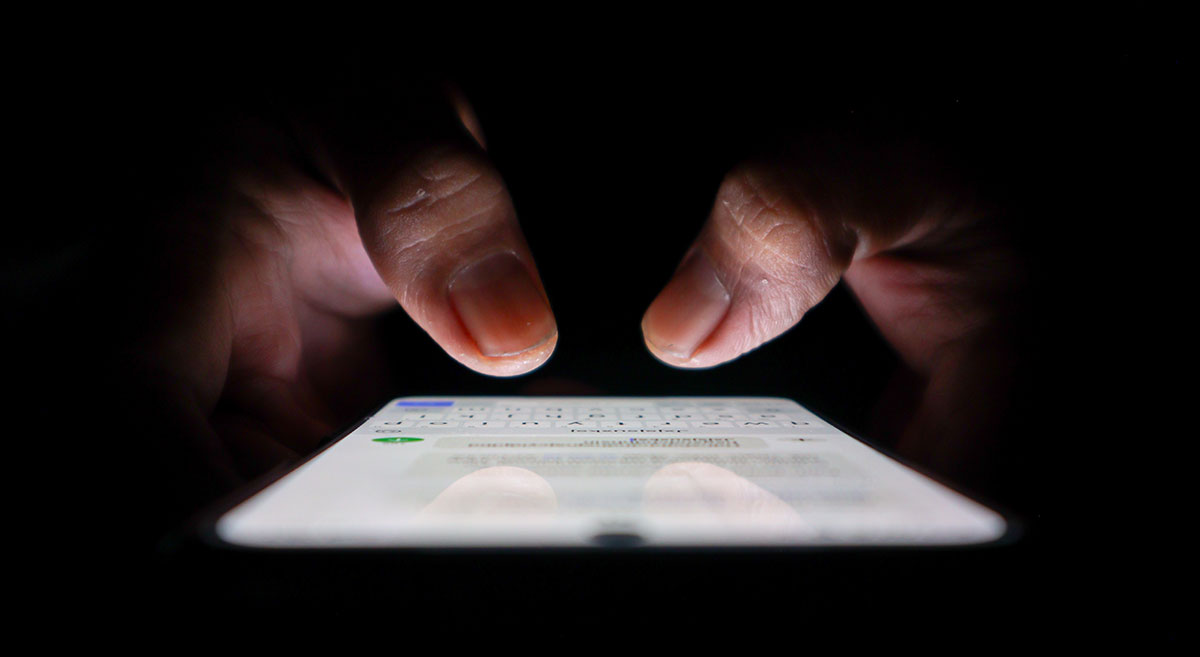
When people think about cyber bullying, they often imagine mean comments or rude messages that happen online. They picture something that can be deleted, blocked, or ignored. But in my work and in my life, I have seen something deeper. I have seen how online words can cut in a way that people on the outside never notice. I have seen how the hurt stays long after the screen goes dark. The emotional pain that comes from cyber bullying is not light, and it is not short term. It leaves hidden scars that are hard to explain unless you have walked through them yourself or supported someone who has.
Adults often underestimate the seriousness of digital harm because they compare it to the bullying they grew up with. They say things like “Just turn off your phone” or “Ignore the comment.” They treat the online world as something separate from real life, even though for young people especially, the online world is part of their identity, their friendships, and their daily routine. When something painful happens there, it follows them everywhere.
Why Online Hurt Feels Different
Cyber bullying is different from traditional bullying because it does not end when the school bell rings. It can happen at night, early in the morning, or during moments when a person is completely alone. There is no place that feels fully safe. The phone that people rely on for connection, support, and daily life becomes the same place where hurt appears without warning.
The lack of control makes the emotional impact stronger. A person may not know who shared a rumor or who saw an embarrassing photo. They may not know how many people are laughing or judging. This uncertainty creates fear, shame, and a sense of being trapped. It is not just one moment of humiliation. It becomes an ongoing fear of what might happen next.
For some people, the worst part is the silence. Offline bullying usually has witnesses, but online bullying often happens behind screens. A person can feel like no one sees what they are going through. They may think they are the only ones fighting the battle. This isolation creates deep emotional wounds that are easy for others to miss.
The Hidden Scars Most Adults Miss
Many adults do not realize that cyber bullying affects self worth in a way that is very personal. Online comments often target appearance, identity, or things that a person cannot change. When those messages come day after day, the pain turns inward. People begin to question their value. They start to believe that something is wrong with them. This kind of hurt becomes a hidden scar because it is not always shown on the outside. People keep smiling, going to school or work, and pretending they are fine.
I have met people who have carried these experiences into adulthood. They still remember the words written about them years earlier. They still feel the sting of public embarrassment or online shame. Even when they have grown stronger, those memories sit in the background of their mind. They affect how they trust others and how they see themselves. This is why cyber bullying is not something small. It has real emotional weight.
Why Silence Makes Everything Worse
One of the biggest problems with cyber bullying is that people are often ashamed to talk about it. They feel embarrassed for being targeted. They worry that others will think they are too sensitive. Some fear that speaking up will make the bullying worse. So they keep everything inside and hope the situation ends by itself. Most of the time, it does not.
When a person keeps silent, the emotional pain grows. They may start to withdraw from friends or activities they used to enjoy. They may become anxious whenever they hear a notification on their phone. Some start to avoid social media or messaging apps entirely. The fear becomes part of their routine, and adults around them may not notice the change.
What Adults Can Do Right Now
The first thing adults can do is listen without judgment. If someone opens up about being targeted online, do not tell them to ignore it. Do not dismiss it as normal. Treat it seriously. Ask them how it made them feel. Let them talk through their experience. Just being heard can begin to ease some of the emotional weight.
Another important step is to help create healthy digital habits. Encourage regular breaks from social media. Teach kids and teens how to recognize unhealthy online behavior. Show them how to block, report, and protect their privacy. Remind them that their worth is not based on likes, comments, or messages.
Adults should also talk openly about kindness online. Young people learn from the examples around them. If they see adults speaking with compassion, they are more likely to do the same. When communities treat digital behavior as seriously as face to face behavior, the culture begins to change.
Healing Takes Time
Healing from cyber bullying does not happen overnight. It takes patience and support. People need safe spaces where they can talk about what they went through. They need encouragement to rebuild confidence and trust. They need to know that they are not defined by the opinions of others online.
The most important thing to remember is that no one has to face this alone. With the right support, people can move forward, grow stronger, and find peace again. The hidden scars may remain, but they do not have to shape the future.